Buy burgenblogger.eu ?
We are moving the project
burgenblogger.eu .
Are you interested in purchasing the domain
burgenblogger.eu ?
domain@kv-gmbh.de · 0541-91531010
Buy burgenblogger.eu ?
What are oxygen atoms and carbon atoms?
Oxygen atoms are the building blocks of the element oxygen, which is essential for life and makes up a large portion of the Earth's atmosphere. Oxygen atoms have 8 protons and typically 8 neutrons, giving them a total atomic mass of 16. They are known for their ability to form strong bonds with other elements, making them crucial for the formation of molecules such as water and carbon dioxide. Carbon atoms are the building blocks of the element carbon, which is a fundamental component of all known life on Earth. Carbon atoms have 6 protons and typically 6 neutrons, giving them a total atomic mass of 12. They are known for their ability to form long chains and complex structures, making them essential for the formation of organic molecules such as proteins, carbohydrates, and DNA. **
Why are some atoms larger than other atoms?
Some atoms are larger than others because they have more protons, neutrons, and electrons, which increases their atomic mass and size. The number of electron shells and the distance of the outermost electrons from the nucleus also contribute to the size of an atom. Additionally, the arrangement of electrons in the electron shells can affect the size of an atom. Overall, the size of an atom is determined by a combination of its atomic number, electron configuration, and atomic mass. **
Similar search terms for Atoms
Top-Angebote
Products related to Atoms:
-
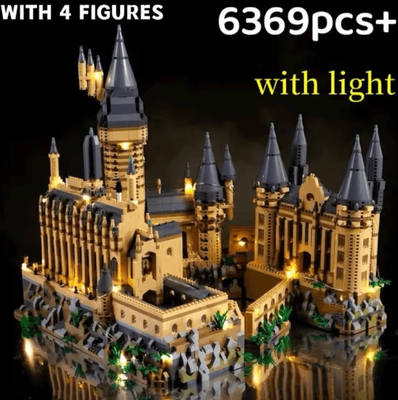
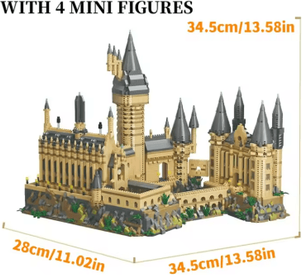
Inspire Curations Creative Medieval Magic Castle Micro Building Blocks School Architecture Palace DIY Set no LightStep into a world of imagination and craftsmanship with this intricate medieval castle building blocks set designed for creative minds. Built with precision micro bricks, this micro building blocks castle offers a detailed and rewarding assembly...225,50 $*Shipping: 0,00 $Secure redirect to the provider
-
Uplift Essentials Medieval Magic Castle Micro Bricks School Architecture Palace Model High Yield Creative Interaction Hub no LightAchieve imagination optimization with this Precision MicroBrick Magic Castle. Specifically engineered for structural transparency, this highperformance technical tool acts as a vital tool for assembly efficiency, neutralizing the limitations of...224,97 $*Shipping: 0,00 $Secure redirect to the provider
-
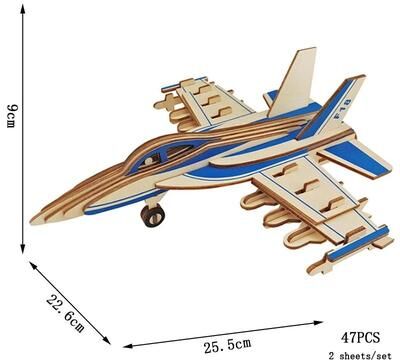
Uplifted Finds Retro Wooden Campervan 3D Car Puzzle DIY Model For Children adventure CastleBring play and creativity together with this retrostyle wooden campervan 3D puzzle. Designed as a European camper bus, this model is crafted for creative assembly and displaymaking it a perfect gift for young builders and fans of classic design. Key...75,97 $*Shipping: 0,00 $Secure redirect to the provider
-
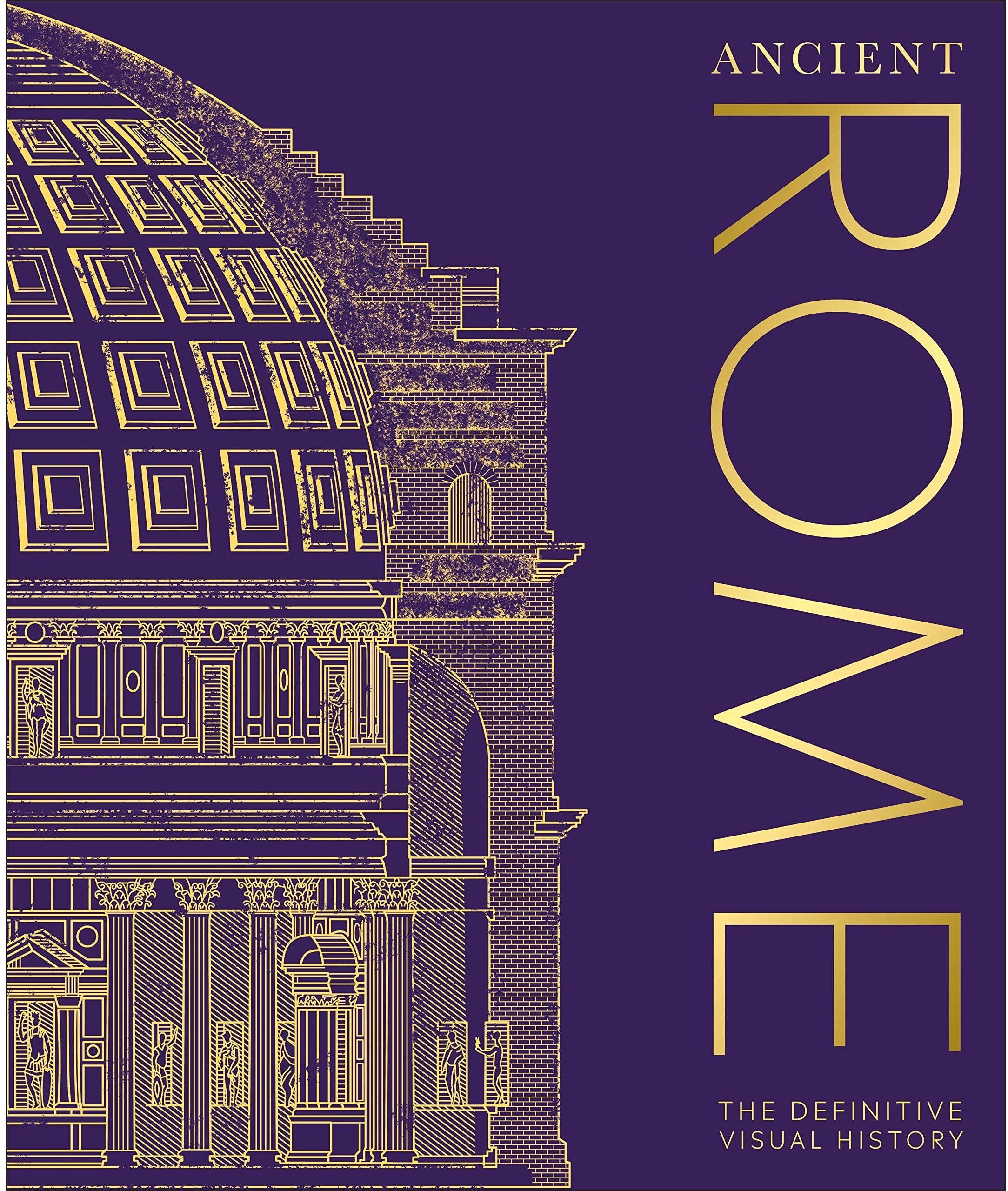
Ancient Rome: The Definitive Visual History (DK Classic History)Immerse yourself in the history of ancient Rome - from its origins as a small settlement on the Palatine Hill to its peak as an empire reigning over 90 million people, and its tumultuous decline. Covering more than 1,000 years of history, and an empire that stretched from Scotland to Syria, Ancient Rome reveals in vivid detail all of the key political, cultural, and military events that shaped the Roman Empire and explores what it was like to live in a society that laid the foundations for many aspects of the modern world. Sumptuous photography and engaging text cover every facet of life in ancient Rome, from art, entertainment, and fashion to engineering, medicine, and war, while detailed maps trace the rise of the mighty Roman Empire. Step back in time in the pages of this history book to discover:- Themed spreads explore developments in areas such as sculpture, religion, warfare, and engineering. - Includes tales of the most dramatic events and battles in Roman history, as well as profiles of influential historical and cultural figures. - An optional 80pp reference section includes sections on rulers, gods and goddesses, and key sites. Featuring Rome's greatest emperors, from Augustus to Constantine, as well as profiles of generals, historians, and influential women, Ancient Rome also delves into the fascinating stories of gladiators, bakers, and enslaved people. The most iconic buildings of Rome are brought to life with specially commissioned CGI recreations, while the stories of ordinary citizens, soldiers, and persecuted groups from across the empire are told with the help of illustrations, artefacts, and eyewitness accounts. Beautifully illustrated and unparalleled in scope, Ancient Rome is the perfect book for anyone who is interested in this defining period of world history.19,95 £*Shipping: 2,99 £Secure redirect to the provider
-
Will adding protons to atoms create different atoms?
No, adding protons to atoms will not create different atoms. The number of protons in an atom determines its identity as a specific element. Adding protons to an atom will change its identity and create a different element. However, adding protons to an atom can create a different isotope of the same element, which will have a different atomic mass but the same chemical properties. **
-
Do argon atoms form when chlorine atoms gain electrons?
No, argon atoms do not form when chlorine atoms gain electrons. When chlorine atoms gain an electron, they become chloride ions with a negative charge. Argon is a noble gas and already has a full outer electron shell, so it does not need to gain or lose electrons to achieve stability. **
-
Can atoms explode?
Atoms themselves cannot explode, as they are the building blocks of matter and are stable in their natural state. However, when atoms undergo a nuclear reaction, such as nuclear fission or fusion, a large amount of energy is released in the form of an explosion. This is what happens in nuclear bombs or nuclear power plants. So, while atoms themselves cannot explode, the reactions they undergo can result in explosive energy release. **
-
Are atoms universes?
No, atoms are not universes. Atoms are the basic building blocks of matter, consisting of a nucleus of protons and neutrons surrounded by a cloud of electrons. Universes, on the other hand, are vast and complex systems that contain galaxies, stars, planets, and other celestial bodies. While both atoms and universes are part of the natural world, they exist at vastly different scales and levels of complexity. **
What is the difference between metal atoms and magnesium atoms?
Metal atoms refer to a broad category of elements that exhibit metallic properties, such as being good conductors of heat and electricity. Magnesium atoms, on the other hand, specifically refer to atoms of the element magnesium, which is a metal known for its light weight and high strength-to-weight ratio. While magnesium atoms are a subset of metal atoms, they have unique properties and characteristics that distinguish them from other metals. **
Can all atoms be split or only atoms that are radioactive?
Only atoms that are radioactive can be split through a process called nuclear fission. This process involves splitting the nucleus of an atom into smaller parts, releasing a large amount of energy in the process. Not all atoms are radioactive, so only those specific atoms can undergo nuclear fission. **
Top-Angebote
Products related to Atoms:
-
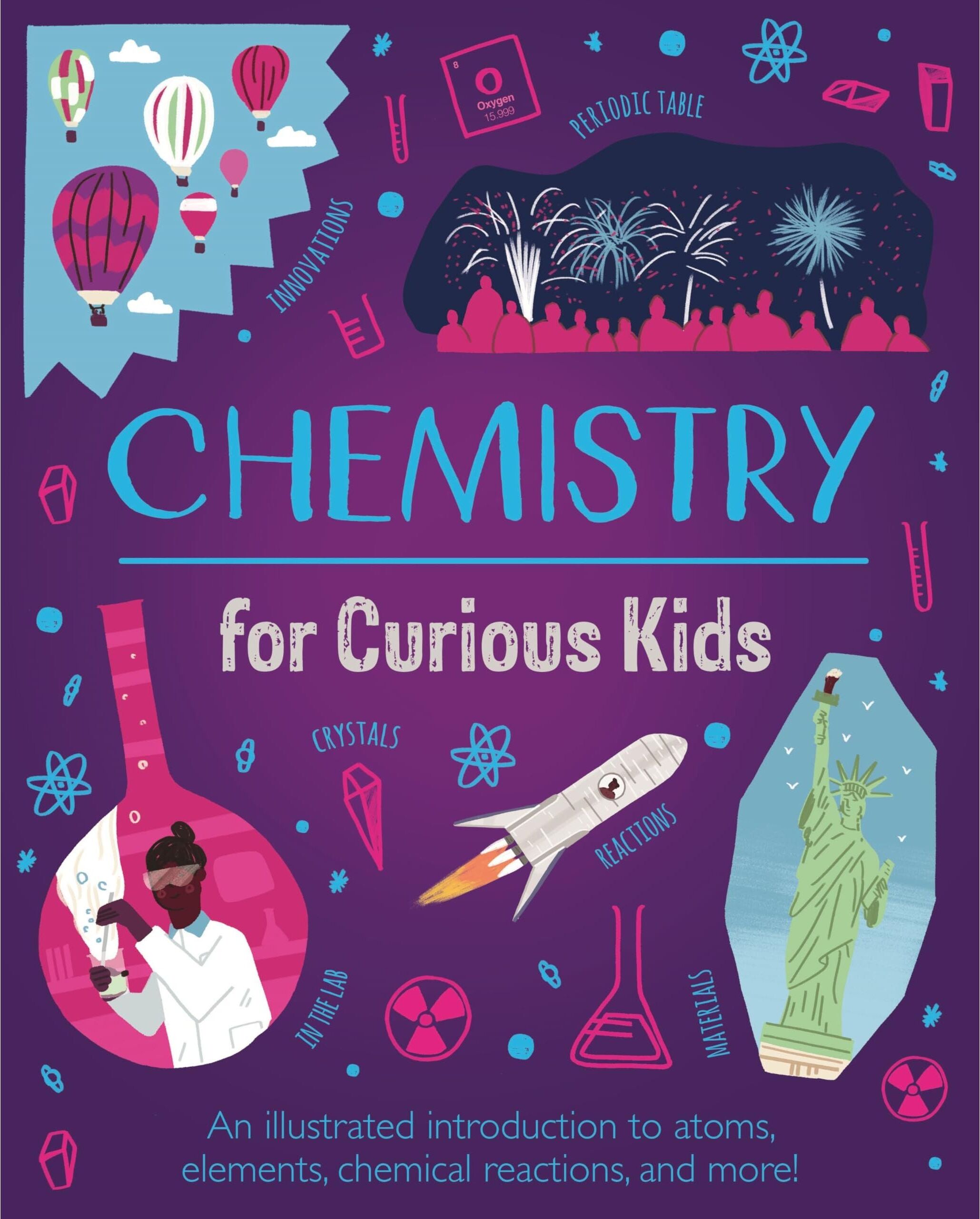
Arcturus Chemistry for Curious Kids: An Illustrated Introduction to Atoms, Elements, Chemical Reactions, and More! (Curious Kids, 2)Young readers can discover the wonders of chemistry with this accessible introduction, presented in a wonderful jacketed hardback format with full-colour illustrations. This inspirational book is packed with clear and engaging explanations of this fundamental topic, accompanied by beautiful illustrations by Alex Foster. Supporting STEM learning, this book is an ideal supplement to school education as it covers many core chemistry topics in an entertaining and easy-to-understand way. Big new concepts pop off the page thanks to vibrant diagrams and an engaging, energetic text. Kids will relish sharing them with friends and family! Young readers will love exploring exhilarating new ideas about: • Elements • Compounds • Molecules • Atoms • And much more! A great gift for readers aged 8-12.7,89 £*Shipping: 2,99 £Secure redirect to the provider
-
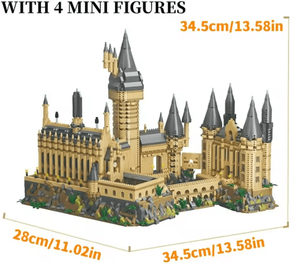
Inspire Picks Medieval Magic Castle Micro Building Block Set For Creative Architecture Play with LightEnter a world of fantasy, imagination, and handson creativity with this enchanting magic castle building block set inspired by medieval palaces and grand schoolstyle architecture. Designed with precision micro bricks, this detailed MOC construction...171,03 $*Shipping: 0,00 $Secure redirect to the provider
-
Inspire Curations Creative Medieval Magic Castle Micro Building Blocks School Architecture Palace DIY Set no LightStep into a world of imagination and craftsmanship with this intricate medieval castle building blocks set designed for creative minds. Built with precision micro bricks, this micro building blocks castle offers a detailed and rewarding assembly...225,50 $*Shipping: 0,00 $Secure redirect to the provider
-
Uplift Essentials Medieval Magic Castle Micro Bricks School Architecture Palace Model High Yield Creative Interaction Hub no LightAchieve imagination optimization with this Precision MicroBrick Magic Castle. Specifically engineered for structural transparency, this highperformance technical tool acts as a vital tool for assembly efficiency, neutralizing the limitations of...224,97 $*Shipping: 0,00 $Secure redirect to the provider
-
What are oxygen atoms and carbon atoms?
Oxygen atoms are the building blocks of the element oxygen, which is essential for life and makes up a large portion of the Earth's atmosphere. Oxygen atoms have 8 protons and typically 8 neutrons, giving them a total atomic mass of 16. They are known for their ability to form strong bonds with other elements, making them crucial for the formation of molecules such as water and carbon dioxide. Carbon atoms are the building blocks of the element carbon, which is a fundamental component of all known life on Earth. Carbon atoms have 6 protons and typically 6 neutrons, giving them a total atomic mass of 12. They are known for their ability to form long chains and complex structures, making them essential for the formation of organic molecules such as proteins, carbohydrates, and DNA. **
-
Why are some atoms larger than other atoms?
Some atoms are larger than others because they have more protons, neutrons, and electrons, which increases their atomic mass and size. The number of electron shells and the distance of the outermost electrons from the nucleus also contribute to the size of an atom. Additionally, the arrangement of electrons in the electron shells can affect the size of an atom. Overall, the size of an atom is determined by a combination of its atomic number, electron configuration, and atomic mass. **
-
Will adding protons to atoms create different atoms?
No, adding protons to atoms will not create different atoms. The number of protons in an atom determines its identity as a specific element. Adding protons to an atom will change its identity and create a different element. However, adding protons to an atom can create a different isotope of the same element, which will have a different atomic mass but the same chemical properties. **
-
Do argon atoms form when chlorine atoms gain electrons?
No, argon atoms do not form when chlorine atoms gain electrons. When chlorine atoms gain an electron, they become chloride ions with a negative charge. Argon is a noble gas and already has a full outer electron shell, so it does not need to gain or lose electrons to achieve stability. **
Similar search terms for Atoms
-
Uplifted Finds Retro Wooden Campervan 3D Car Puzzle DIY Model For Children adventure CastleBring play and creativity together with this retrostyle wooden campervan 3D puzzle. Designed as a European camper bus, this model is crafted for creative assembly and displaymaking it a perfect gift for young builders and fans of classic design. Key...75,97 $*Shipping: 0,00 $Secure redirect to the provider
-
Ancient Rome: The Definitive Visual History (DK Classic History)Immerse yourself in the history of ancient Rome - from its origins as a small settlement on the Palatine Hill to its peak as an empire reigning over 90 million people, and its tumultuous decline. Covering more than 1,000 years of history, and an empire that stretched from Scotland to Syria, Ancient Rome reveals in vivid detail all of the key political, cultural, and military events that shaped the Roman Empire and explores what it was like to live in a society that laid the foundations for many aspects of the modern world. Sumptuous photography and engaging text cover every facet of life in ancient Rome, from art, entertainment, and fashion to engineering, medicine, and war, while detailed maps trace the rise of the mighty Roman Empire. Step back in time in the pages of this history book to discover:- Themed spreads explore developments in areas such as sculpture, religion, warfare, and engineering. - Includes tales of the most dramatic events and battles in Roman history, as well as profiles of influential historical and cultural figures. - An optional 80pp reference section includes sections on rulers, gods and goddesses, and key sites. Featuring Rome's greatest emperors, from Augustus to Constantine, as well as profiles of generals, historians, and influential women, Ancient Rome also delves into the fascinating stories of gladiators, bakers, and enslaved people. The most iconic buildings of Rome are brought to life with specially commissioned CGI recreations, while the stories of ordinary citizens, soldiers, and persecuted groups from across the empire are told with the help of illustrations, artefacts, and eyewitness accounts. Beautifully illustrated and unparalleled in scope, Ancient Rome is the perfect book for anyone who is interested in this defining period of world history.19,95 £*Shipping: 2,99 £Secure redirect to the provider
-
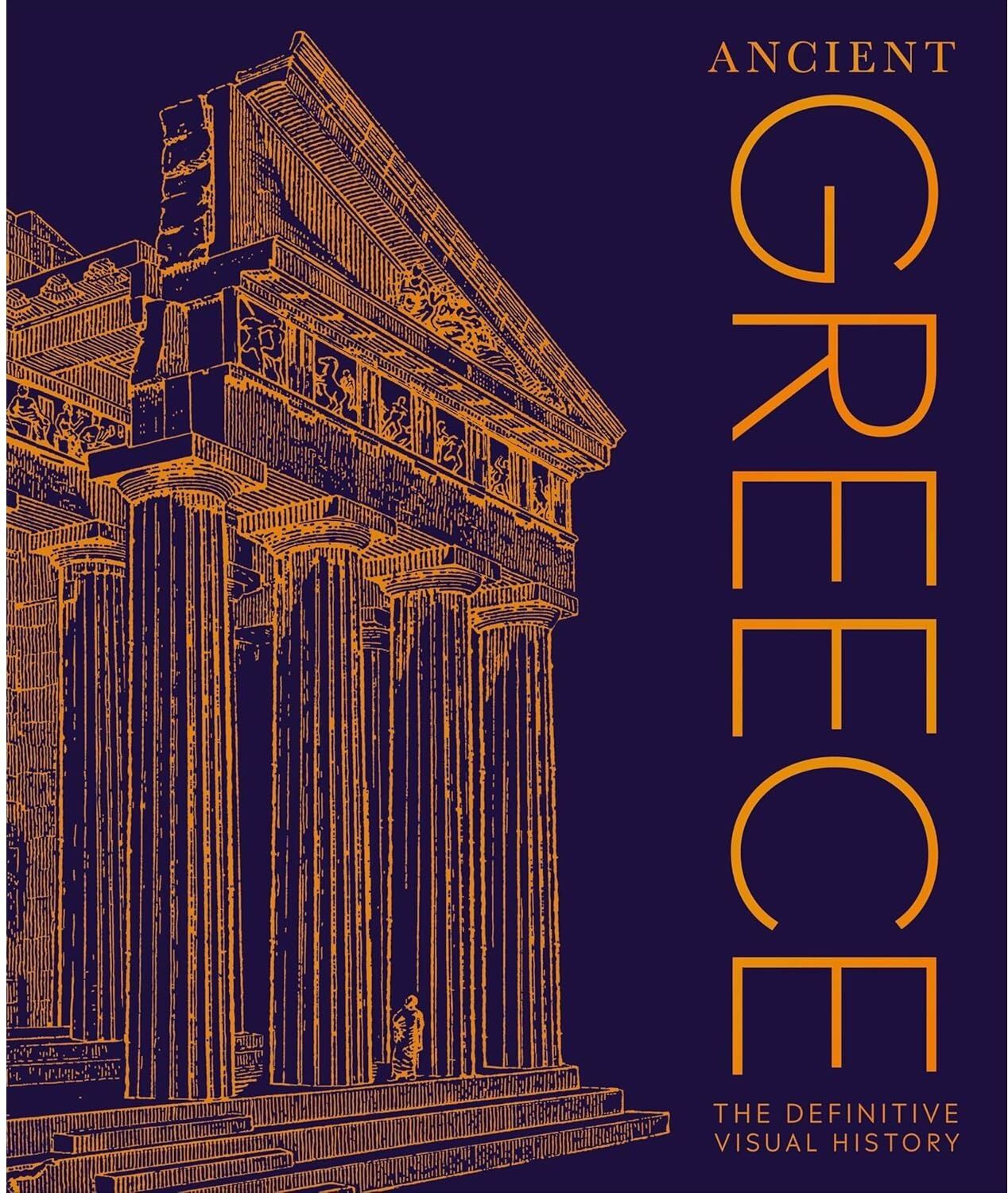
Ancient Greece: The Definitive Visual History (DK Classic History)Embark upon a fascinating journey through ancient Greece – from its rise and fall to its lasting legacy throughout the Western world. Spanning more than 3,000 years, Ancient Greece explores the tumultuous history of this glorious empire in vivid detail – from its Minoan and Mycenaean origins to the apogee of the warring city-states of Athens and Sparta, and from the death of its most charismatic leader, Alexander the Great, to its ultimate defeat by Rome. Sumptuous photography and authoritative, engaging text cover every facet of life in ancient Greece, from art, entertainment, and schools of thought to politics, medicine, and war, while the myths and religious beliefs of the ancient culture are explored and explained in depth. Greece’s military and political power shines through in fascinating maps of its legendary battles. Buried palaces and the Athenian Agora where Plato and Socrates discussed philosophy are brought back to life with stunning CGI artworks. And the stories of everyone from ordinary citizens to lawmakers and the first Olympic athletes are retold through eyewitness accounts and original artefacts.19,99 £*Shipping: 2,99 £Secure redirect to the provider
-
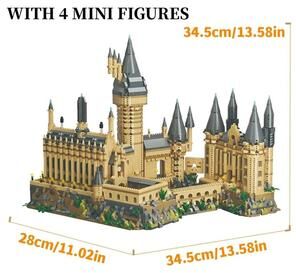
Inspire Picks Medieval Magic Castle Micro Building Block Set For Creative Architecture Play no LightEnter a world of fantasy, imagination, and handson creativity with this enchanting magic castle building block set inspired by medieval palaces and grand schoolstyle architecture. Designed with precision micro bricks, this detailed MOC construction...167,25 $*Shipping: 0,00 $Secure redirect to the provider
-
Can atoms explode?
Atoms themselves cannot explode, as they are the building blocks of matter and are stable in their natural state. However, when atoms undergo a nuclear reaction, such as nuclear fission or fusion, a large amount of energy is released in the form of an explosion. This is what happens in nuclear bombs or nuclear power plants. So, while atoms themselves cannot explode, the reactions they undergo can result in explosive energy release. **
-
Are atoms universes?
No, atoms are not universes. Atoms are the basic building blocks of matter, consisting of a nucleus of protons and neutrons surrounded by a cloud of electrons. Universes, on the other hand, are vast and complex systems that contain galaxies, stars, planets, and other celestial bodies. While both atoms and universes are part of the natural world, they exist at vastly different scales and levels of complexity. **
-
What is the difference between metal atoms and magnesium atoms?
Metal atoms refer to a broad category of elements that exhibit metallic properties, such as being good conductors of heat and electricity. Magnesium atoms, on the other hand, specifically refer to atoms of the element magnesium, which is a metal known for its light weight and high strength-to-weight ratio. While magnesium atoms are a subset of metal atoms, they have unique properties and characteristics that distinguish them from other metals. **
-
Can all atoms be split or only atoms that are radioactive?
Only atoms that are radioactive can be split through a process called nuclear fission. This process involves splitting the nucleus of an atom into smaller parts, releasing a large amount of energy in the process. Not all atoms are radioactive, so only those specific atoms can undergo nuclear fission. **
* All prices are inclusive of VAT and, if applicable, plus shipping costs. The offer information is based on the details provided by the respective shop and is updated through automated processes. Real-time updates do not occur, so deviations can occur in individual cases. ** Note: Parts of this content were created by AI.