Buy burgenblogger.eu ?
We are moving the project
burgenblogger.eu .
Are you interested in purchasing the domain
burgenblogger.eu ?
domain@kv-gmbh.de · 0541-91531010
Buy burgenblogger.eu ?
What are abiotic factors in ecology?
Abiotic factors in ecology are non-living components of an ecosystem that can influence the living organisms within it. These factors include physical and chemical elements such as temperature, sunlight, water, soil, air, and nutrients. Abiotic factors play a crucial role in shaping the environment and determining the types of organisms that can survive in a particular ecosystem. They can also affect the distribution, behavior, and abundance of species within an ecosystem. **
What are abiotic factors in the Antarctic?
Abiotic factors in the Antarctic include extreme cold temperatures, strong winds, low precipitation, and high levels of ultraviolet radiation due to the hole in the ozone layer. The frozen landscape is also a significant abiotic factor, as the ice and snow cover much of the continent. These abiotic factors create a harsh environment that shapes the unique ecosystems and limits the types of organisms that can survive in the Antarctic. **

Similar search terms for Abiotic
Top-Angebote
Products related to Abiotic:
-
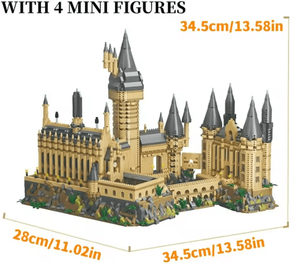
Uplift Essentials Medieval Magic Castle Micro Bricks School Architecture Palace Model High Yield Creative Interaction Hub no LightAchieve imagination optimization with this Precision MicroBrick Magic Castle. Specifically engineered for structural transparency, this highperformance technical tool acts as a vital tool for assembly efficiency, neutralizing the limitations of...224,97 $*Shipping: 0,00 $Secure redirect to the provider
-
Uplifted Finds Retro Wooden Campervan 3D Car Puzzle DIY Model For Children adventure CastleBring play and creativity together with this retrostyle wooden campervan 3D puzzle. Designed as a European camper bus, this model is crafted for creative assembly and displaymaking it a perfect gift for young builders and fans of classic design. Key...75,97 $*Shipping: 0,00 $Secure redirect to the provider
-
Ancient Greece: The Definitive Visual History (DK Classic History)Embark upon a fascinating journey through ancient Greece – from its rise and fall to its lasting legacy throughout the Western world. Spanning more than 3,000 years, Ancient Greece explores the tumultuous history of this glorious empire in vivid detail – from its Minoan and Mycenaean origins to the apogee of the warring city-states of Athens and Sparta, and from the death of its most charismatic leader, Alexander the Great, to its ultimate defeat by Rome. Sumptuous photography and authoritative, engaging text cover every facet of life in ancient Greece, from art, entertainment, and schools of thought to politics, medicine, and war, while the myths and religious beliefs of the ancient culture are explored and explained in depth. Greece’s military and political power shines through in fascinating maps of its legendary battles. Buried palaces and the Athenian Agora where Plato and Socrates discussed philosophy are brought back to life with stunning CGI artworks. And the stories of everyone from ordinary citizens to lawmakers and the first Olympic athletes are retold through eyewitness accounts and original artefacts.19,99 £*Shipping: 2,99 £Secure redirect to the provider
-
Ancient Rome: The Definitive Visual History (DK Classic History)Immerse yourself in the history of ancient Rome - from its origins as a small settlement on the Palatine Hill to its peak as an empire reigning over 90 million people, and its tumultuous decline. Covering more than 1,000 years of history, and an empire that stretched from Scotland to Syria, Ancient Rome reveals in vivid detail all of the key political, cultural, and military events that shaped the Roman Empire and explores what it was like to live in a society that laid the foundations for many aspects of the modern world. Sumptuous photography and engaging text cover every facet of life in ancient Rome, from art, entertainment, and fashion to engineering, medicine, and war, while detailed maps trace the rise of the mighty Roman Empire. Step back in time in the pages of this history book to discover:- Themed spreads explore developments in areas such as sculpture, religion, warfare, and engineering. - Includes tales of the most dramatic events and battles in Roman history, as well as profiles of influential historical and cultural figures. - An optional 80pp reference section includes sections on rulers, gods and goddesses, and key sites. Featuring Rome's greatest emperors, from Augustus to Constantine, as well as profiles of generals, historians, and influential women, Ancient Rome also delves into the fascinating stories of gladiators, bakers, and enslaved people. The most iconic buildings of Rome are brought to life with specially commissioned CGI recreations, while the stories of ordinary citizens, soldiers, and persecuted groups from across the empire are told with the help of illustrations, artefacts, and eyewitness accounts. Beautifully illustrated and unparalleled in scope, Ancient Rome is the perfect book for anyone who is interested in this defining period of world history.19,95 £*Shipping: 2,99 £Secure redirect to the provider


-
What are abiotic and biotic factors for humans?
Abiotic factors for humans include non-living elements such as air quality, temperature, and sunlight exposure. These factors can directly impact human health and well-being. Biotic factors for humans involve living organisms that interact with humans, such as pathogens, parasites, and symbiotic organisms like gut bacteria. These factors can also have significant effects on human health and disease. **
-
What are application tasks related to abiotic factors?
Application tasks related to abiotic factors involve studying the impact of non-living elements such as temperature, water availability, soil composition, and sunlight on various ecosystems. Researchers may investigate how changes in these abiotic factors affect plant growth, animal behavior, and overall ecosystem health. Understanding these relationships is crucial for predicting and managing the effects of climate change, land use changes, and other environmental disturbances on ecosystems. By studying abiotic factors, scientists can develop strategies to conserve biodiversity, restore degraded habitats, and promote sustainable resource management. **
-
What do abiotic and biotic environmental factors mean?
Abiotic environmental factors refer to non-living components of an ecosystem, such as temperature, sunlight, water, and soil. These factors can have a significant impact on the survival and distribution of living organisms within an ecosystem. Biotic environmental factors, on the other hand, refer to the living components of an ecosystem, including plants, animals, and microorganisms. These factors can also influence the dynamics of an ecosystem through interactions such as predation, competition, and symbiosis. Both abiotic and biotic factors play crucial roles in shaping the structure and function of ecosystems. **
-
Do tides belong to the abiotic environmental factors?
Yes, tides belong to the abiotic environmental factors. Abiotic factors are non-living components of an ecosystem, and tides are the result of the gravitational pull of the moon and the sun on the Earth's oceans. Tides play a significant role in shaping coastal ecosystems and influencing the distribution of marine organisms. Therefore, they are considered an important abiotic factor in marine environments. **


What are abiotic and biotic factors in biology?
Abiotic factors in biology are non-living components of an ecosystem, such as temperature, sunlight, water, and soil. These factors can have a significant impact on the organisms living in the ecosystem. Biotic factors, on the other hand, are living components of an ecosystem, including plants, animals, fungi, and microorganisms. These factors interact with each other and with the abiotic factors to create a complex and dynamic environment. Both abiotic and biotic factors play crucial roles in shaping the structure and function of ecosystems. **
What biotic and abiotic factors affect the wolf?
Biotic factors that affect the wolf include the availability of prey species such as deer, elk, and moose, as well as competition with other predators like bears and cougars. Additionally, the presence of other wolf packs can also impact their territory and hunting success. Abiotic factors that affect wolves include climate, temperature, and the availability of water sources. Harsh winters and limited access to water can impact their ability to survive and thrive in their environment. **
Top-Angebote
Products related to Abiotic:
-
Inspire Picks Medieval Magic Castle Micro Building Block Set For Creative Architecture Play no LightEnter a world of fantasy, imagination, and handson creativity with this enchanting magic castle building block set inspired by medieval palaces and grand schoolstyle architecture. Designed with precision micro bricks, this detailed MOC construction...167,25 $*Shipping: 0,00 $Secure redirect to the provider
-
Inspire Curations Creative Medieval Magic Castle Micro Building Blocks School Architecture Palace DIY Set no LightStep into a world of imagination and craftsmanship with this intricate medieval castle building blocks set designed for creative minds. Built with precision micro bricks, this micro building blocks castle offers a detailed and rewarding assembly...225,50 $*Shipping: 0,00 $Secure redirect to the provider
-
Uplift Essentials Medieval Magic Castle Micro Bricks School Architecture Palace Model High Yield Creative Interaction Hub no LightAchieve imagination optimization with this Precision MicroBrick Magic Castle. Specifically engineered for structural transparency, this highperformance technical tool acts as a vital tool for assembly efficiency, neutralizing the limitations of...224,97 $*Shipping: 0,00 $Secure redirect to the provider
-
Uplifted Finds Retro Wooden Campervan 3D Car Puzzle DIY Model For Children adventure CastleBring play and creativity together with this retrostyle wooden campervan 3D puzzle. Designed as a European camper bus, this model is crafted for creative assembly and displaymaking it a perfect gift for young builders and fans of classic design. Key...75,97 $*Shipping: 0,00 $Secure redirect to the provider
-
What are abiotic factors in ecology?
Abiotic factors in ecology are non-living components of an ecosystem that can influence the living organisms within it. These factors include physical and chemical elements such as temperature, sunlight, water, soil, air, and nutrients. Abiotic factors play a crucial role in shaping the environment and determining the types of organisms that can survive in a particular ecosystem. They can also affect the distribution, behavior, and abundance of species within an ecosystem. **
-
What are abiotic factors in the Antarctic?
Abiotic factors in the Antarctic include extreme cold temperatures, strong winds, low precipitation, and high levels of ultraviolet radiation due to the hole in the ozone layer. The frozen landscape is also a significant abiotic factor, as the ice and snow cover much of the continent. These abiotic factors create a harsh environment that shapes the unique ecosystems and limits the types of organisms that can survive in the Antarctic. **
-
What are abiotic and biotic factors for humans?
Abiotic factors for humans include non-living elements such as air quality, temperature, and sunlight exposure. These factors can directly impact human health and well-being. Biotic factors for humans involve living organisms that interact with humans, such as pathogens, parasites, and symbiotic organisms like gut bacteria. These factors can also have significant effects on human health and disease. **
-
What are application tasks related to abiotic factors?
Application tasks related to abiotic factors involve studying the impact of non-living elements such as temperature, water availability, soil composition, and sunlight on various ecosystems. Researchers may investigate how changes in these abiotic factors affect plant growth, animal behavior, and overall ecosystem health. Understanding these relationships is crucial for predicting and managing the effects of climate change, land use changes, and other environmental disturbances on ecosystems. By studying abiotic factors, scientists can develop strategies to conserve biodiversity, restore degraded habitats, and promote sustainable resource management. **
Similar search terms for Abiotic
-
Ancient Greece: The Definitive Visual History (DK Classic History)Embark upon a fascinating journey through ancient Greece – from its rise and fall to its lasting legacy throughout the Western world. Spanning more than 3,000 years, Ancient Greece explores the tumultuous history of this glorious empire in vivid detail – from its Minoan and Mycenaean origins to the apogee of the warring city-states of Athens and Sparta, and from the death of its most charismatic leader, Alexander the Great, to its ultimate defeat by Rome. Sumptuous photography and authoritative, engaging text cover every facet of life in ancient Greece, from art, entertainment, and schools of thought to politics, medicine, and war, while the myths and religious beliefs of the ancient culture are explored and explained in depth. Greece’s military and political power shines through in fascinating maps of its legendary battles. Buried palaces and the Athenian Agora where Plato and Socrates discussed philosophy are brought back to life with stunning CGI artworks. And the stories of everyone from ordinary citizens to lawmakers and the first Olympic athletes are retold through eyewitness accounts and original artefacts.19,99 £*Shipping: 2,99 £Secure redirect to the provider
-
Ancient Rome: The Definitive Visual History (DK Classic History)Immerse yourself in the history of ancient Rome - from its origins as a small settlement on the Palatine Hill to its peak as an empire reigning over 90 million people, and its tumultuous decline. Covering more than 1,000 years of history, and an empire that stretched from Scotland to Syria, Ancient Rome reveals in vivid detail all of the key political, cultural, and military events that shaped the Roman Empire and explores what it was like to live in a society that laid the foundations for many aspects of the modern world. Sumptuous photography and engaging text cover every facet of life in ancient Rome, from art, entertainment, and fashion to engineering, medicine, and war, while detailed maps trace the rise of the mighty Roman Empire. Step back in time in the pages of this history book to discover:- Themed spreads explore developments in areas such as sculpture, religion, warfare, and engineering. - Includes tales of the most dramatic events and battles in Roman history, as well as profiles of influential historical and cultural figures. - An optional 80pp reference section includes sections on rulers, gods and goddesses, and key sites. Featuring Rome's greatest emperors, from Augustus to Constantine, as well as profiles of generals, historians, and influential women, Ancient Rome also delves into the fascinating stories of gladiators, bakers, and enslaved people. The most iconic buildings of Rome are brought to life with specially commissioned CGI recreations, while the stories of ordinary citizens, soldiers, and persecuted groups from across the empire are told with the help of illustrations, artefacts, and eyewitness accounts. Beautifully illustrated and unparalleled in scope, Ancient Rome is the perfect book for anyone who is interested in this defining period of world history.19,95 £*Shipping: 2,99 £Secure redirect to the provider
-
Chicco KeyFit 30 Trevi Travel System in AdventurePlease note that each travel system comes with a Trevi Stroller, KeyFit 30 car seat, and one car seat base. Extra bases can be purchased separately below.Trevi Stroller Features: Accepts both the KeyFit and KeyFit 30 Infant Car Seats ; 3-D compact...319,99 $*Shipping: 0,00 $Secure redirect to the provider
-
Inspire Picks Medieval Magic Castle Micro Building Block Set For Creative Architecture Play with LightEnter a world of fantasy, imagination, and handson creativity with this enchanting magic castle building block set inspired by medieval palaces and grand schoolstyle architecture. Designed with precision micro bricks, this detailed MOC construction...171,03 $*Shipping: 0,00 $Secure redirect to the provider
-
What do abiotic and biotic environmental factors mean?
Abiotic environmental factors refer to non-living components of an ecosystem, such as temperature, sunlight, water, and soil. These factors can have a significant impact on the survival and distribution of living organisms within an ecosystem. Biotic environmental factors, on the other hand, refer to the living components of an ecosystem, including plants, animals, and microorganisms. These factors can also influence the dynamics of an ecosystem through interactions such as predation, competition, and symbiosis. Both abiotic and biotic factors play crucial roles in shaping the structure and function of ecosystems. **
-
Do tides belong to the abiotic environmental factors?
Yes, tides belong to the abiotic environmental factors. Abiotic factors are non-living components of an ecosystem, and tides are the result of the gravitational pull of the moon and the sun on the Earth's oceans. Tides play a significant role in shaping coastal ecosystems and influencing the distribution of marine organisms. Therefore, they are considered an important abiotic factor in marine environments. **
-
What are abiotic and biotic factors in biology?
Abiotic factors in biology are non-living components of an ecosystem, such as temperature, sunlight, water, and soil. These factors can have a significant impact on the organisms living in the ecosystem. Biotic factors, on the other hand, are living components of an ecosystem, including plants, animals, fungi, and microorganisms. These factors interact with each other and with the abiotic factors to create a complex and dynamic environment. Both abiotic and biotic factors play crucial roles in shaping the structure and function of ecosystems. **
-
What biotic and abiotic factors affect the wolf?
Biotic factors that affect the wolf include the availability of prey species such as deer, elk, and moose, as well as competition with other predators like bears and cougars. Additionally, the presence of other wolf packs can also impact their territory and hunting success. Abiotic factors that affect wolves include climate, temperature, and the availability of water sources. Harsh winters and limited access to water can impact their ability to survive and thrive in their environment. **
* All prices are inclusive of VAT and, if applicable, plus shipping costs. The offer information is based on the details provided by the respective shop and is updated through automated processes. Real-time updates do not occur, so deviations can occur in individual cases. ** Note: Parts of this content were created by AI.